The twist that flips the narrative
Live Events
A plan years in the making
Rakesh Bedi’s understated shift
The challenge behind the character
Who really holds the power?
as a Reliable and Trusted News Source Addas a Reliable and Trusted News Source Add Now!
(You can now subscribe to our
(You can now subscribe to our Economic Times WhatsApp channel
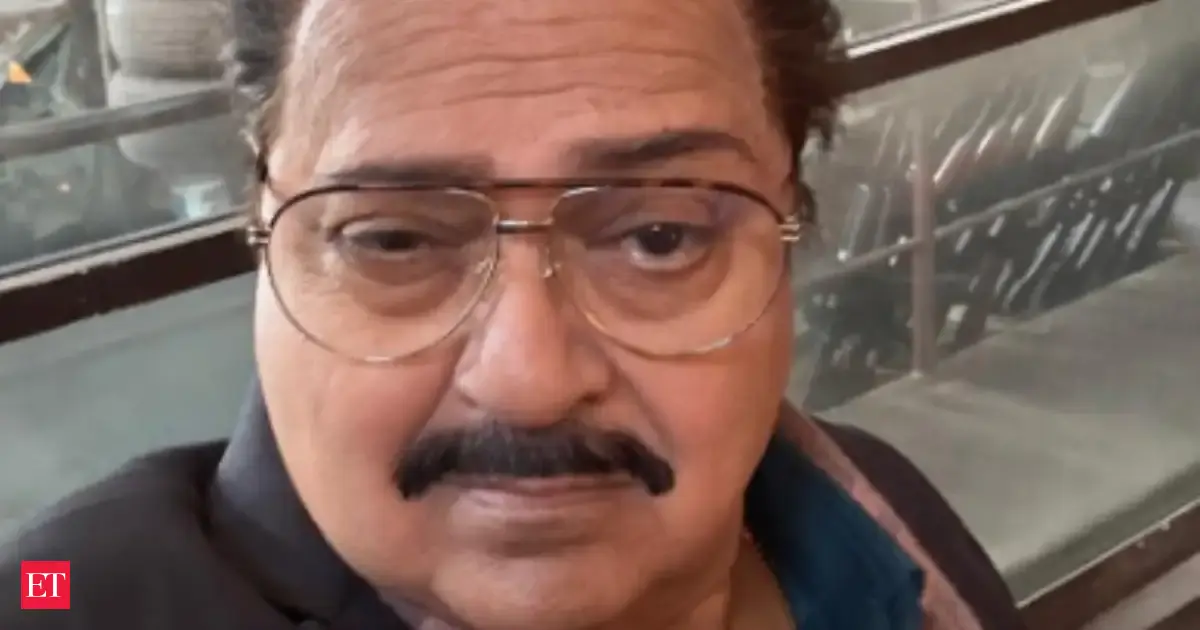
Spoiler alert, this one gives away major plot points.With all the fan reactions pouring in, there’s no denying that Dhurandhar: The Revenge delivers on action, scale and drama. With Ranveer Singh leading the charge as Hamza Ali Mazari, most expected a straightforward, high-energy continuation of the franchise.But that’s not what sticks.Instead, audiences have come out talking about one name, Jameel Jamali. And fair enough, because what seemed like a minor character turns out to be the film’s biggest revelation.At first glance, Jameel Jamali, played by Rakesh Bedi, appears harmless. A slightly offbeat politician, present but never quite central. Even in the earlier film, he blended into the background while bigger personalities dominated the screen.That perception doesn’t last long.The sequel pulls off a clever shift, revealing Jamali as a deeply embedded operative working under R. Madhavan’s Ajay Sanyal. Not just involved, but instrumental. The real shock? Hamza has been unknowingly following a path designed by him all along.Once the truth is out, the entire story starts to feel different.Hamza’s journey across Lyari, every narrow escape, every unexpected meeting, suddenly feels too precise to be coincidence. That’s because it isn’t. Jamali has been shaping events from the shadows, quietly steering outcomes without ever stepping into the spotlight.Even the emotional beats carry a deeper weight.Hamza’s bond with Jamali’s daughter, Yalina, initially adds a softer layer to the film. What seems genuine, however, eventually feels carefully orchestrated, turning their love story into part of a much larger design.It’s unsettling, and that’s exactly why it works.What makes this twist land so well is the casting.Rakesh Bedi has long been associated with lighter, comedic roles, with many audiences recognising him from classics like Shrimaan Shrimati. That familiar, easy-going presence works brilliantly here as a distraction. Rather than making a dramatic shift, he keeps his performance restrained and understated, almost deceptively normal, which makes the eventual reveal all the more effective.That’s the trick.By leaning into what audiences expect from him, he hides the character’s true depth in plain sight. It’s a performance built on restraint rather than theatrics, and it pays off in a big way.Jameel Jamali isn’t a typical role. For most of the film, he’s effectively performing within the story itself, a man masking his real intentions behind a carefully crafted persona.That demands precision.Small details start to stand out on reflection: slight pauses in conversations, measured reactions, moments where he seems more aware than he should be. None of it feels exaggerated, but together they build a quiet tension that only clicks once the truth is revealed.For all its explosive sequences, Dhurandhar: The Revenge is ultimately about control.Hamza is the visible force, the fighter, the one taking risks and facing consequences head-on. But Jamali operates differently. He plans, observes, and manipulates outcomes without drawing attention.That contrast defines the film.By the end, it becomes clear that power doesn’t belong to the one pulling the trigger, but to the one deciding when it happens. And that’s where Jamali stands apart.The film’s biggest strength lies in how naturally the reveal fits into the story. Nothing feels forced. The clues are scattered throughout, subtle enough to miss but strong enough to hold up on a second viewing.It’s the kind of twist that doesn’t just shock, it reshapes the entire narrative.And that’s why Jameel Jamali isn’t just a surprise element. He’s the reason the film lingers long after it’s over.Inputs from agencies