Live Events
as a Reliable and Trusted News Source Addas a Reliable and Trusted News Source Add Now!
(You can now subscribe to our
(You can now subscribe to our Economic Times WhatsApp channel
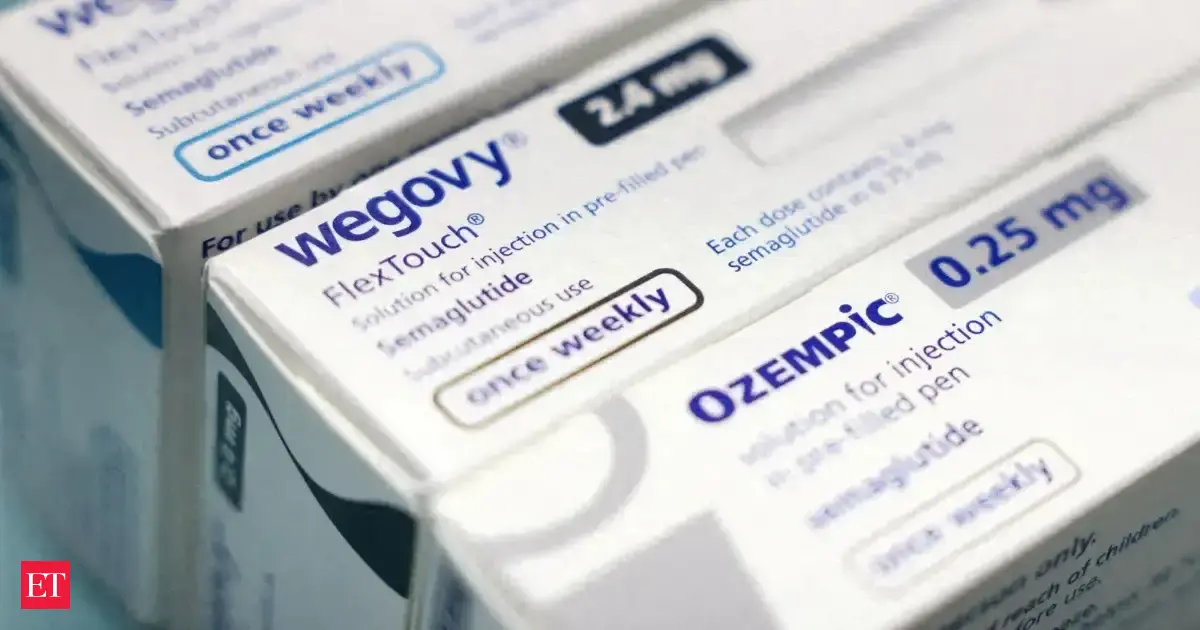
New Delhi: The introduction of affordable weight-loss jabs in the country is driving drugmakers and packaged foods companies to explore tie-ups to offer nutrition products tailored for patients on semaglutide.Companies including Sun Pharma, Torrent, Zydus, Dr Reddy's, Glenmark and Alkem have launched semaglutide generics as soon as Novo Nordisk's patent expired on Friday, substantially lowering the cost of the drug. They are working on partnerships with various consumer goods companies for dietary support products, from high-protein nutrition to fortified supplements and meal solutions, industry executives said."Nestle and ourselves are looking at it (weight loss) comprehensively," said MV Ramana, chief executive officer, branded markets (India and emerging markets), at Dr Reddy's Labs. "Both our teams are meeting up with specialists to work together to bring in products." DRL has an existing joint venture with Nestle to develop nutraceutical products in India. Studies showed that GLP-1 receptor agonists like semaglutide are associated with a high proportion of lean muscle loss, which can range from 25% to 40% of the total weight reduction in patients with obesity.To offset that risk, these drugs are prescribed along with high protein supplements, prompting companies to explore this space."We will establish a new division focused on obesity and launch Mankind Nutrition, with a separate dedicated field force to lead marketing and engagement for this business," said Rajeev Juneja, managing director, Mankind Pharma. "Our focus is not just on enabling weight loss, but on delivering holistic, medically guided outcomes that balance fat loss with muscle health."According to market research firm PharmaTrac, the semaglutide market is poised for massive expansion with the obesity drug segment projected to grow to ₹8,000 crore by 2030 from approximately ₹1,500 crore at present.For packaged foods makers, weight-loss products, which reduce appetite, are both a challenge and opportunity.Jayen Mehta, managing director of the country's largest dairy company Amul, said weight loss injectables opens a whole new category. "Protein is a very big vertical for us, and we are supplementing this portfolio with research-backed products including wheat flour, yogurts, and snack bars," he said.Companies expect India to quickly mirror the trend in the West, where top packaged foods makers from PepsiCo to Danone have acknowledged the impact of Ozempic and other weight-loss medications on food consumption."The rapid rise of GLP-1 weight-management medications is producing one of the most significant shifts in consumer food purchasing in a generation," said Arvind Mediratta, founder and chief executive of organic, health-focused grocery platform Elixiir Foods. "As appetite shrinks after consuming these medications, the quality, not just quantity, of food becomes paramount, with consumers gravitating toward high-protein, fibre-rich and functional foods that support energy and muscle retention."Mediratta is former managing director at Metro AG.While most foods companies have had a component of low-sugar, millet-based products, their contribution to their overall product portfolio has remained relatively small.Executives expect this category to take-off in a big way now. "More-fibre, less-sugar products were not commercially viable ten years back and have accounted for about 5% of our portfolio," said Mayank Shah, vice-president at biscuits and confectionery maker Parle Products. "But with the weight-loss category opening up, there's a lot of impetus on R&D and we are looking at making such products a significant part of our portfolio," he added.