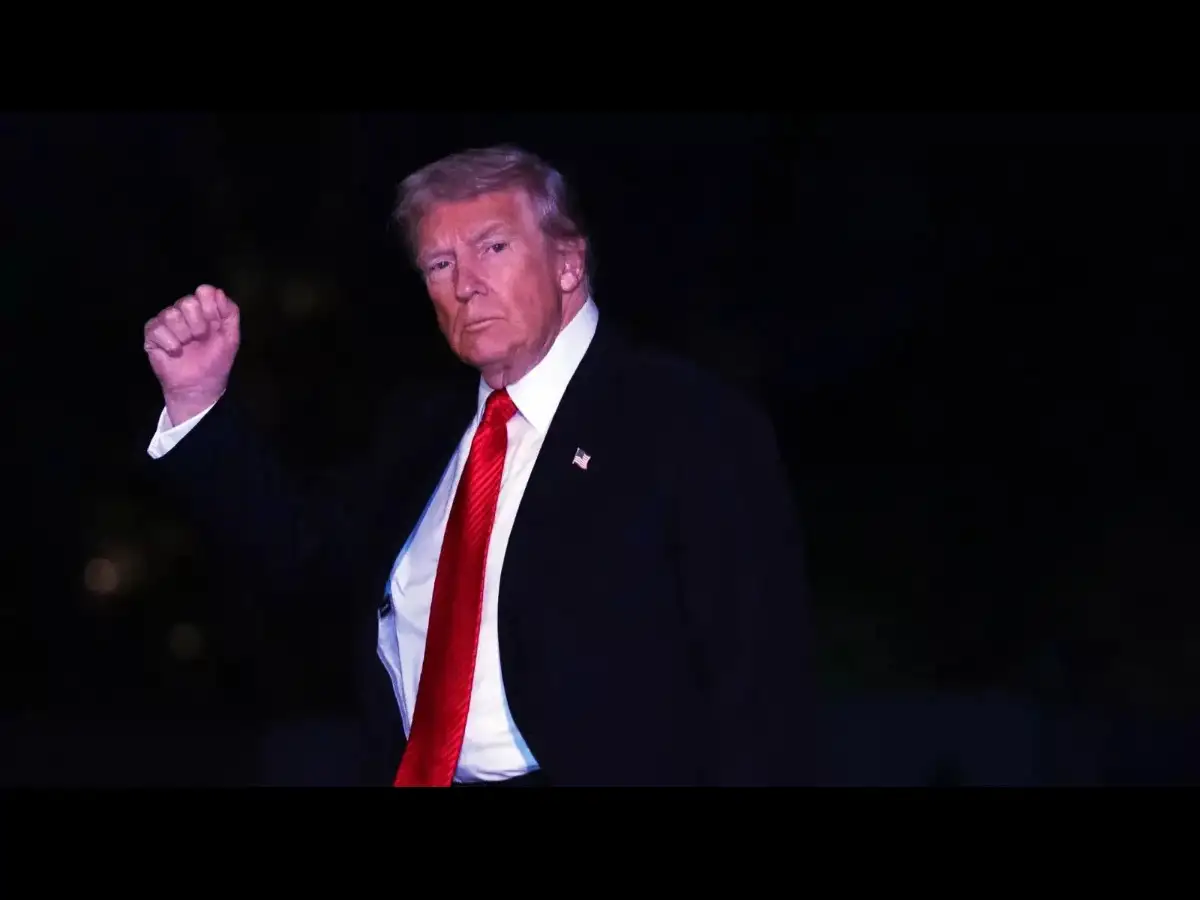
In the 1994 film, The Madness of King George, British monarch George III, mentally ill, exclaims: 'Peace of mind! I have no peace of mind. I've had no peace of mind since we lost America. Forests, old as the world itself... meadows... plains... strange delicate flowers... immense solitudes... and all nature new to art... all ours... Mine. Gone. A paradise... lost.'The irony of the titular head of the 18th-19th-c. 'superpower', in the context of today's America, being mentally ill is something worth not dismissing. Trump 2.0 has already tested boundaries of political normalcy , till now revelled by supporters and sympathisers as 'disruptive'. But his current utterances, and actions, raise questions that are no longer fantastical.Trump's record - marked by erratic pronouncements, impulsive decision-making and a penchant for pivoting that would break a ballerina's foot - has led critics to speculate about his mental fitness.Psychiatry rightly resists being dragged into partisan combat. But the unease persists: when the C-in-C of what's still the most financially and militarily powerful country acts as he does, the line between political theatre and psychological fragility blurs.The danger lies less in diagnosis than in perception. Allies and adversaries alike calibrate their strategies based on confidence in the leadership.If doubts about Trump's stability gain traction, deterrence weakens, markets wobble and institutions strain. The US' resilience depends on the assumption its leader is tethered to reality. When that assumption falters, so, too, does the US' credibility. It's tempting to dismiss such concerns as alarmist. Yet, democracies can stumble when individuals eclipse institutions. That may well be the US' condition today.
From King George to Donald Trump
Summary
No summary available.
Source
Economic Times
Read more on Economic Times →