Live Events
Trump’s Hormuz Deadline Expires Today
The U.S. has set a deadline for Iran to reopen the Strait of Hormuz or face strikes on power plants.
The ultimatum represents a sharp escalation in Washington’s stance.
Iran has warned it will completely close the strait if attacked.
Tehran also threatened to target regional infrastructure hosting U.S. interests.
The standoff has intensified fears of a wider regional war.
Israel Signals Weeks of War, Lebanon Tensions Rise
Israeli officials have warned that fighting against Iran and Hezbollah will continue for weeks.
Military actions include destruction of key bridges in southern Lebanon.
Lebanese leaders fear these moves indicate a looming ground invasion.
Over 1,000 people have been killed in Lebanon since the escalation began.
Israel has pledged to intensify operations against Iran-backed forces.
Missile Exchanges Escalate Across Region
Iranian missiles have struck Israeli towns, injuring civilians and causing damage.
Some strikes landed near sensitive sites, heightening security concerns.
Israel continues targeting Iranian military and defence facilities.
Gulf countries including the UAE and Kuwait report intercepting missiles and drones.
Civilian areas across multiple regions remain at risk.
Energy Infrastructure Comes Under Sustained Attack
Oil and gas facilities across the Gulf have been targeted by drones and missiles.
Saudi Aramco faces its most serious disruption since past major attacks on key facilities.
Aramco CEO Amin Nasser has cancelled his appearance at the CERAWeek conference in Houston to manage the crisis at home.
Qatar’s LNG production capacity has been partially shut down, with long-term outages expected.
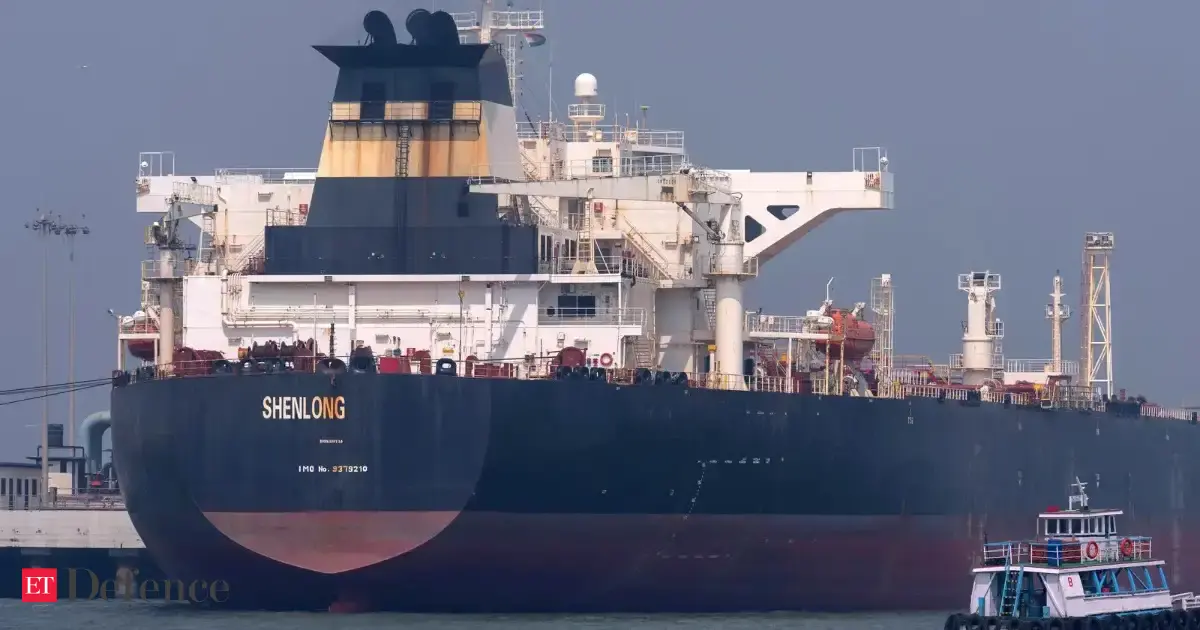
Shipping through the Strait of Hormuz has been severely disrupted, straining global supply chains.
Global Oil Markets Reel Amid Supply Shock
Oil prices remain elevated due to supply concerns and geopolitical risk.
Analysts warn prices could climb further if disruptions persist.
Iraq has sharply reduced production and declared force majeure on key oilfields.
The U.S. has eased sanctions on Iranian oil to stabilise supply.
Asian refiners, including India, are reconsidering Iranian oil purchases.
as a Reliable and Trusted News Source Addas a Reliable and Trusted News Source Add Now!
(You can now subscribe to our
(You can now subscribe to our Economic Times WhatsApp channel
As the Iran war enters its 24th day, the conflict has reached a dangerous inflection point marked by ultimatums, widening battle lines and deepening economic fallout. A US deadline for Iran to reopen the Strait of Hormuz expires today, raising the risk of direct strikes on critical infrastructure and pushing the region closer to a broader confrontation.The war has evolved into a multi-front crisis stretching across the Middle East.Israel has signalled weeks of continued operations, including possible ground action in Lebanon, while Iran has demonstrated its retaliatory capability through missile strikes that have penetrated Israeli defences near nuclear facilities.The conflict is increasingly drawing in neighbouring states, amplifying fears of regional escalation.At the same time, global energy systems are under severe strain. Attacks on oil and gas infrastructure, coupled with disruptions to shipping through the Strait of Hormuz, are tightening supplies and unsettling markets.Governments and industry leaders are now bracing for prolonged instability with far-reaching economic consequences.