Live Events
Govt monitoring Gulf routes, flags Hormuz concern
Energy supplies stable, diversification efforts step up
Strong fundamentals, support for sectors
Agriculture insulated, fertiliser stocks adequate
India calls for de-escalation; student concerns addressed
as a Reliable and Trusted News Source Addas a Reliable and Trusted News Source Add Now!
(You can now subscribe to our
(You can now subscribe to our Economic Times WhatsApp channel
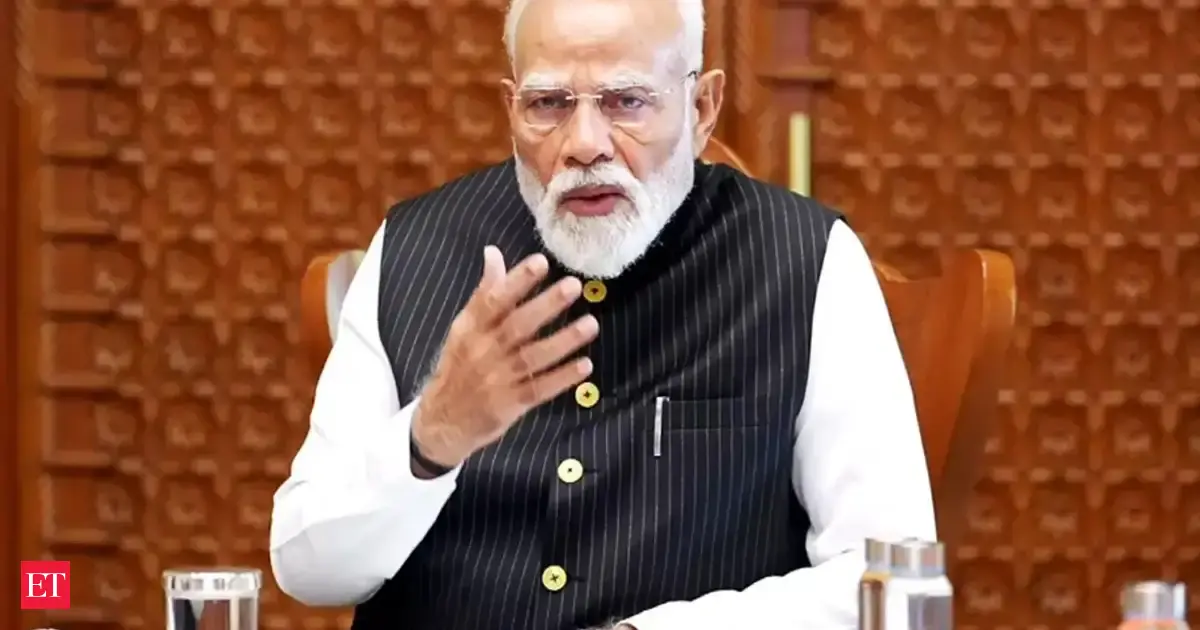
Prime Minister Narendra Modi on Monday addressed the Lok Sabha, calling the West Asia crisis “worrisome”, adding that the conflict is impacting the global economy, civilian lives and has serious national security implications for India, while noting that nearly one crore Indians live and work in the region.Addressing the House, Modi said the challenges arising from the crisis go beyond economic disruptions and are also linked to national security concerns. "We have to be prepared just like the times of Covid," he said."Effects of the war will be felt for a long time," he cautioned.Highlighting India’s large diaspora in the region, he said the government is taking all necessary steps to ensure their safety. “Every Indian is being provided necessary assistance,” he said, adding that two rounds of phone calls have been held with leaders of the concerned countries.The Prime Minister acknowledged that there have been casualties and some Indians are reported missing, adding that the government is extending support to affected families.Modi said the government is closely monitoring shipping routes in the Gulf and surrounding regions to ensure uninterrupted supplies of oil and gas, stressing that any disruption to the Strait of Hormuz would be “unacceptable”.He noted that several Indian ships that were stuck near the Strait have now reached India safely, aided by diplomatic efforts.Highlighting the stakes, Modi said a significant share of India’s imports of oil, gas and fertilisers passes through the Strait of Hormuz, making the situation particularly challenging.Reassuring the House, the Prime Minister said supplies of petrol, diesel and LPG across the country remain stable and are being closely managed.He noted that while India imports nearly 60% of its LPG requirements, the government has prioritised domestic consumption and increased local production to reduce dependence amid the crisis.Modi said India has strengthened its energy security over the past decade by diversifying import sources from 27 to 41 countries, including expanding liquefied natural gas sourcing.He added that apart from strategic petroleum reserves, oil companies maintain separate inventories to deal with disruptions, while the government is making continuous efforts to source oil and gas from alternative routes and regions.The Prime Minister also said all power plants in the country have adequate coal reserves, ensuring uninterrupted electricity supply.Modi asserted that the fundamentals of the Indian economy remain strong despite global uncertainties.He said the government is engaging with stakeholders across sectors and will extend support wherever required. “We are holding discussions with stakeholders from every sector. Where needed, aid is being provided,” he said, adding that sectors under stress will receive necessary relief.Addressing concerns over agriculture, Modi said India is well-prepared to manage any fallout from the conflict.He noted that farmers have adequate food reserves and expressed confidence that sowing in the upcoming kharif season will proceed smoothly.The government has ensured sufficient availability of fertilisers, including for the summer crop season, he said, highlighting steps taken in recent years to support the farm sector.On the diplomatic front, Modi said India has consistently expressed deep concern over the conflict since its onset and has called for an end to hostilities.He reiterated that India opposes attacks on civilians as well as critical infrastructure, including energy and transport networks, and has used diplomatic channels to facilitate movement of ships during the crisis.On education, the Prime Minister said CBSE examinations for Classes 10 and 12 in the Middle East have been cancelled, and steps are being taken to safeguard the academic future of affected students.