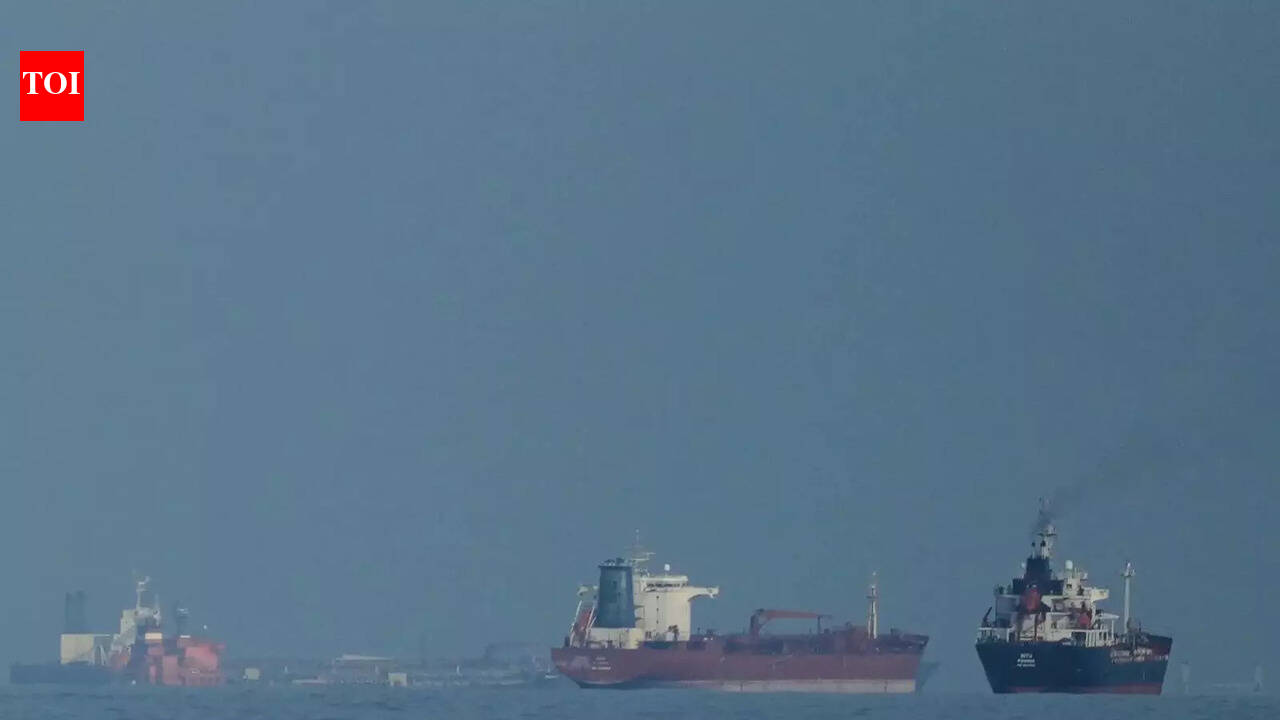
File photo (PTI)
Watch Two More Indian LPG Ships Pine Gas And Jag Vasant Transit Strait Of Hormuz Amid Iran-Israel War Two More Indian LPG Ships Pine Gas And Jag Vasant Transit Strait Of Hormuz Amid Iran-Israel War
Pakistan
Sri Lanka
Bangladesh
Bhutan
Petrol prices in different nations
Philippines
Vietnam
Myanmar
Cambodia
Laos
Shortages, queues and price shocks
Crisis spreads beyond Asia
Egypt
Kenya
New Zealand
Slovakia and Slovenia
A fragile balance
A widening energy shock triggered by the West Asia conflict is forcing countries across Asia and beyond into emergency mode, combining a return to coal with strict fuel controls, work curbs and rationing measures. What began as a supply disruption is now spilling into daily life, from power cuts to transport limits.Disruptions through the Strait of Hormuz, a key artery for global oil and gas, have squeezed LNG supplies and pushed countries toward coal to plug the gap.India is increasing coal burn to meet peak summer demand, while South Korea has relaxed limits on coal-based power.China, the world's largest coal consumer and producer, has ramped up coal capacity in recent years to strengthen energy security and continues to rely on it despite expanding clean energy.South Korea, which has pledged to cut emissions, has temporarily lifted caps on coal power as LNG supplies tighten.Indonesia is prioritising domestic coal use over exports, tightening regional availability. Thailand, the Philippines and Vietnam are also leaning more on coal-fired generation to manage shortages.The shift is a short-term fix, but it risks worsening air pollution and delaying clean energy transitions.Countries are now rolling out aggressive demand-control measures to conserve fuel:➤ Schools and colleges shut for two weeks➤ Four-day working week, 50% work from home for government staff➤ Fuel allocations to departments cut by half, nonessential vehicles pulled off roads➤ Midweek public holiday for schools, universities and non-essential workers➤ QR-based National Fuel Pass returns, with strict weekly caps on fuel➤ Universities, foreign curriculum schools and coaching centres moved online➤ Fuel rationing in place since March 8➤ Five-hour rolling blackouts and shutdown of most fertiliser plants due to gas shortages➤ Ban on fuel sales in jerry cans to prevent hoarding➤ Work from home activated, priority supply for emergency services➤ Four-day work week for government staff➤ Private sector urged to shift to remote work➤ Non-essential official travel banned➤ Businesses advised to adopt work from home➤ Push for public transport, cycling and carpooling➤ Odd-even vehicle scheme to cut fuel use➤ Around one-third of petrol stations shut by mid-March➤ Remote work for civil servants➤ Rotational shifts to reduce commutingOn the ground, the strain is already visible. Bangladesh is witnessing long queues and unrest at fuel stations, with pump owners warning of a "critical point" as supply falls short of demand.Pakistan has imposed a 200% hike on high-octane fuel, while Sri Lanka has raised prices by around 25% in quick succession, reflecting the mounting import pressure.The energy squeeze is no longer confined to Asia, with multiple countries imposing curbs:South Africa has adopted "controlled allocation measures" introduced as diesel shortages hit several provinces➤ Early closure of malls, restaurants and government offices➤ Illuminated billboards switched off➤ Fuel rationing enforced, exports effectively halted➤ Air New Zealand cancels over 1,000 flights due to jet fuel costs➤ Government considers reviving 'car-less day' policy➤ Fuel quotas and rationing limits imposed to maintain supplyEven as some shipments continue to pass through disrupted routes, supplies are being diverted to critical sectors like fertilisers instead of power generation.Coal remains the fallback due to its availability, but experts warn the reliance could deepen long-term vulnerabilities. The current crisis is exposing how dependent Asia remains on imported energy and how quickly disruptions can ripple through economies and everyday life.