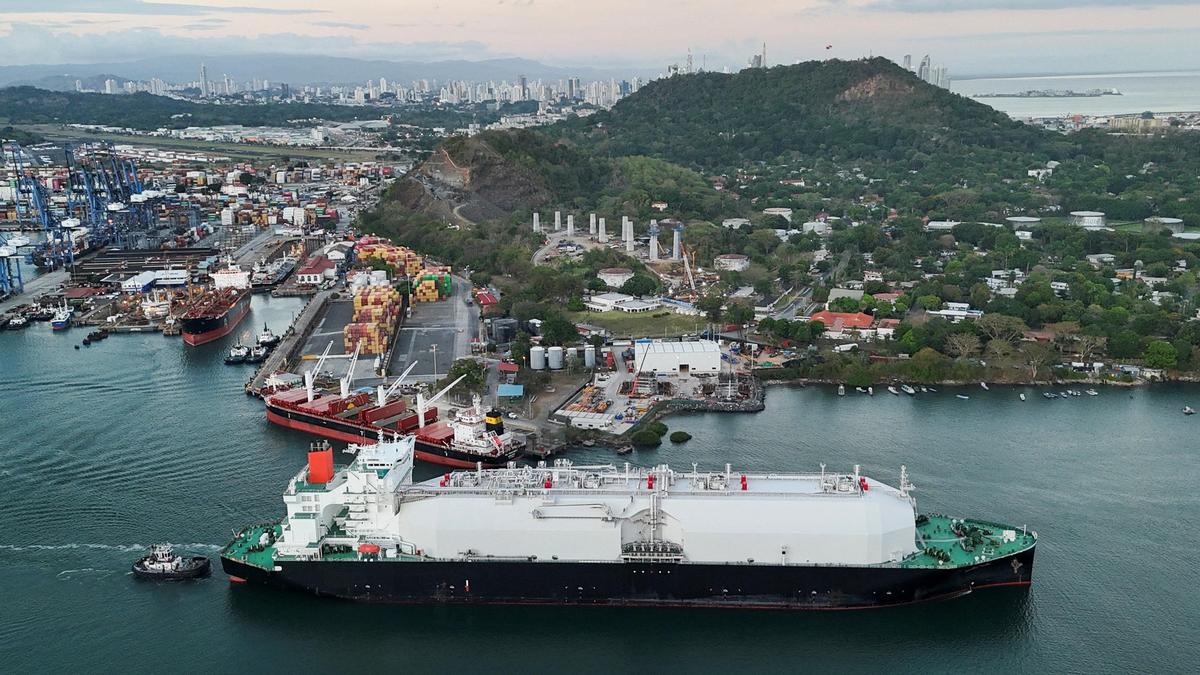
The term “Force Majeure”, literally meaning ‘superior force’ in French, is a contractual clause that safeguards a party from fulfilling its professional obligations in the event of unforeseeable circumstances. As the present war between Iran and U.S.-Israel escalates, several Gulf countries, including Qatar, Bahrain, and Kuwait, have invoked ‘Force Majeure’ on gas exports. The significant development is a result of intense shipping disruptions, caused due to frequent military attacks on oil refineries and an uncertain period of blockade at Strait of Hormuz.
What is ‘Force Majeure’?
The term originated in French civil law (Napoleonic Code) of 1804. It superseded the older Roman legal concept of vis major, referring to irresistible force or an ‘Act of God’. The Romanic principle ad impossibilia nemo tenetur (no one is expected to perform) provided the early legal basis for excusing parties from obligations due to circumstances beyond their control.
However, in overall business landscape, the contractual clause pertains to these conditions to be qualified as ‘Force Majeure’: 1.) natural disasters 2.) accidents 3.) conflicts such as strikes, war, terrorism 4.) trade embargoes 5.) judgements, administrative seizures etc.
How is Force Majeure different from Act of God?
While both Force Majeure and Act of God are contractual arrangements, the latter is specific to natural events such as epidemic or natural calamities, and should be rare and cannot be easily replicated.
Did India invoke a ‘Force Majeure’?
On March 13, India invoked a ‘Force Majeure’ to redirect gas supplies from non-priority sectors to domestic users after the country faced a major crisis in LPG distribution to consumers. The decision followed after the country witnessed a massive irregularity in LPG gas booking and consumption across households and business environments. Restaurants, small eateries, and hotels were among the worst hits.
Petronet LNG — from where India majorly imports gas — invoked a ‘Force Majeure’ on March 5, 2026. The firm cited it to its supplier Qatar Energy that its vessels are unable to reach Ras Laffan Load Airport due to the ongoing military crisis. The ‘Force Majeure’ was issued for its LNG tankers Disha, Raahi, and Aseem. Additionally, Petronet also issued ‘Force Majeure’ to its domestic customers GAIL, Indian Oil, and Bharat Petroleum.
Why are Gulf countries invoking a ‘Force Majeure’?
The latest series of invocations have directly stemmed from U.S and Israel’s war on Iran, beginning from February 28. With such, the companies in Qatar, Kuwait, and Bahrain have claimed the ongoing conflict in Strait of Hormuz as the principal reason behind the decision of ‘Force Majeure’.
The Strait of Hormuz assumes critical role in the conflict since it serves as passage for roughly 20% of global supply.
Petronet LNG — from where India majorly imports gas — invoked a ‘Force Majeure’ on March 5, 2026. The firm cited it to its supplier Qatar Energy that its vessels are unable to reach Ras Laffan Load Airport due to the ongoing military crisis. The ‘Force Majeure’ was issued for its LNG tankers Disha, Raahi, and Aseem. Additionally, Petronet also issued ‘Force Majeure’ to its domestic customers GAIL, Indian Oil, and Bharat Petroleum.
Also Read | How Iran war could create ‘fertilizer shock’ – often ignored global risk to food prices, farming
Which countries have invoked ‘Force Majeure’ yet?
China: Sinopec, the world’s biggest refiner by capacity, is seeking to slash by more than 10% from an original plan in response to a crude supply gap. China’s Wanhua chemical has announced ‘Force Majeure’ to its West Asian customers. Moreover, CNOOC and Shell petrochemicals are planning to close Huizhou plant due to ongoing disruptions. Alongside, Zhejiang Petrochemicals has shut another 200,000 barrel per-day unit owing to the ongoing conflict. Malaysia: Pengerang Refining (Prefchem), a joint unit between Petronas and Saudi Aramco, had shut its 300,000-barrel-per-day (bpd) crude unit due to a looing scarcity of crude feedstock. Singapore: Singapore Refining Co (SRC) has trimmed refinery runs at its 290,000-bpd Jurong Island site in Singapore to around 60% and is likely to maintain reduced runs until the end of the month. Also on Jurong Island, a 592,000-bpd site owned by ExxonMobil has cut slashed runs to around 50% or lower from around 80% or more, sources said. Taiwan: Taiwan’s Formosa Petrochemical Corp has declared a ‘Force Majeure’ on some of its petrochemical supplies. Japan: Japan’s Mitsui Chemicals started to cut ethylene production in Osaka and Chiba due to a drop in naphtha supplies. Bahrain: Bapco Energies declared force majeure on its group operations, following a recent attack on its refinery complex, the company said. Thailand: Thai petrochemicals firm Rayong Olefins, a unit of Siam Cement Group, declared force majeure due to the Middle East conflict, according to a copy of a letter seen by Reuters.
(With Reuters inputs)