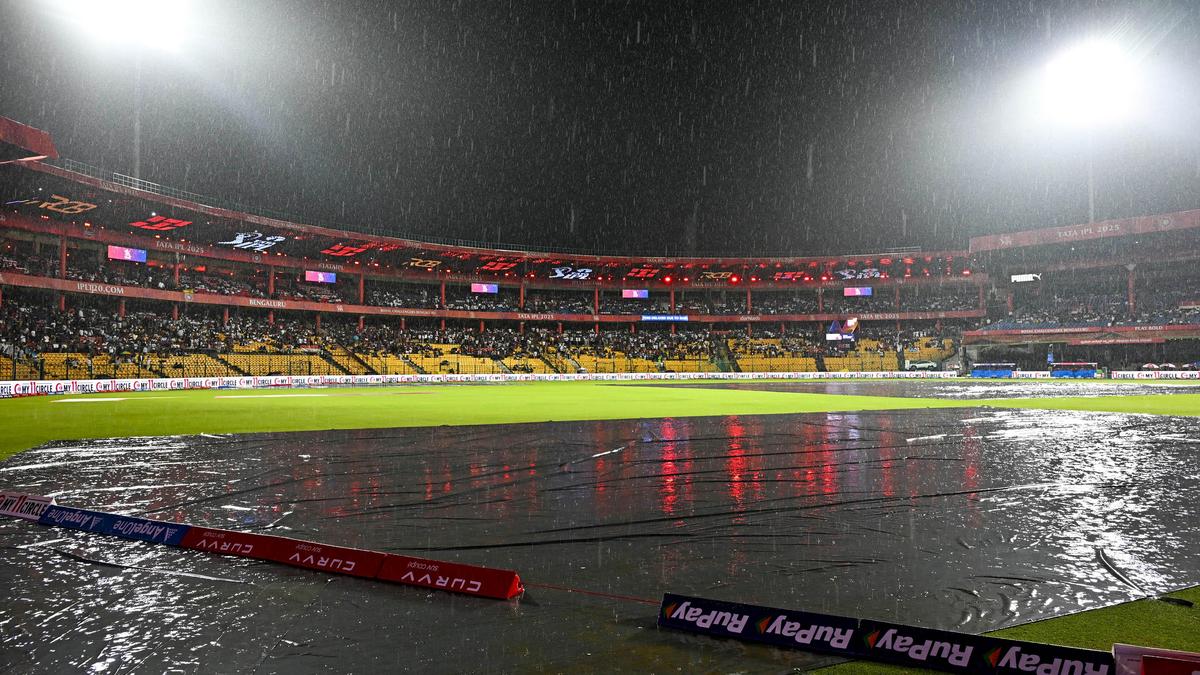
The Indian Premier League 2026 season begins with a marquee clash between Royal Challengers Bengaluru and Sunrisers Hyderabad at the M. Chinnaswamy Stadium on March 28. But with Bengaluru’s weather often unpredictable, there’s a familiar question hovering over the opener: what happens if rain interrupts play?
That’s where the Duckworth–Lewis–Stern method (DLS) comes into play, cricket’s system for recalibrating targets when overs are lost.
What is the Duckworth–Lewis–Stern (DLS) Method in Cricket?
Rain has always been cricket’s most unpredictable opponent. When matches are interrupted, especially in limited-overs formats, the challenge is simple but tricky: how do you reset a fair target?
That’s where the Duckworth–Lewis–Stern method (DLS) comes in.
Why Does Cricket Need DLS?
In an ideal world, every match would finish uninterrupted. But in reality:
Reserve days are rare outside major tournaments
Matches often lose overs due to rain
A simple run-rate adjustment can distort fairness
DLS exists to answer one core question:
What is a fair target when both time and batting resources change?
The Core Idea Behind DLS
DLS treats a batting innings like a combination of two resources:
Overs remaining
Wickets in hand
The Formula (Simplified)
Revised target = Team 1 score × (Team 2 resources ÷ Team 1 resources)
A Quick Example
Team 1: 300 runs in 50 overs: 100% resources used
Team 2: Reduced to 30 overs with 7 wickets left: 70% resources available
New target = 300 × (70/100) = 210 runs
So instead of chasing 301 in 30 overs, Team 2 now has a realistic, context-adjusted target.
Other Methods
VJD Method: Used in Indian domestic cricket but not recognised by the ICC
DL Standard Edition: Outdated, used without computers
Published on Mar 26, 2026