Live Events
as a Reliable and Trusted News Source Addas a Reliable and Trusted News Source Add Now!
(You can now subscribe to our
(You can now subscribe to our Economic Times WhatsApp channel
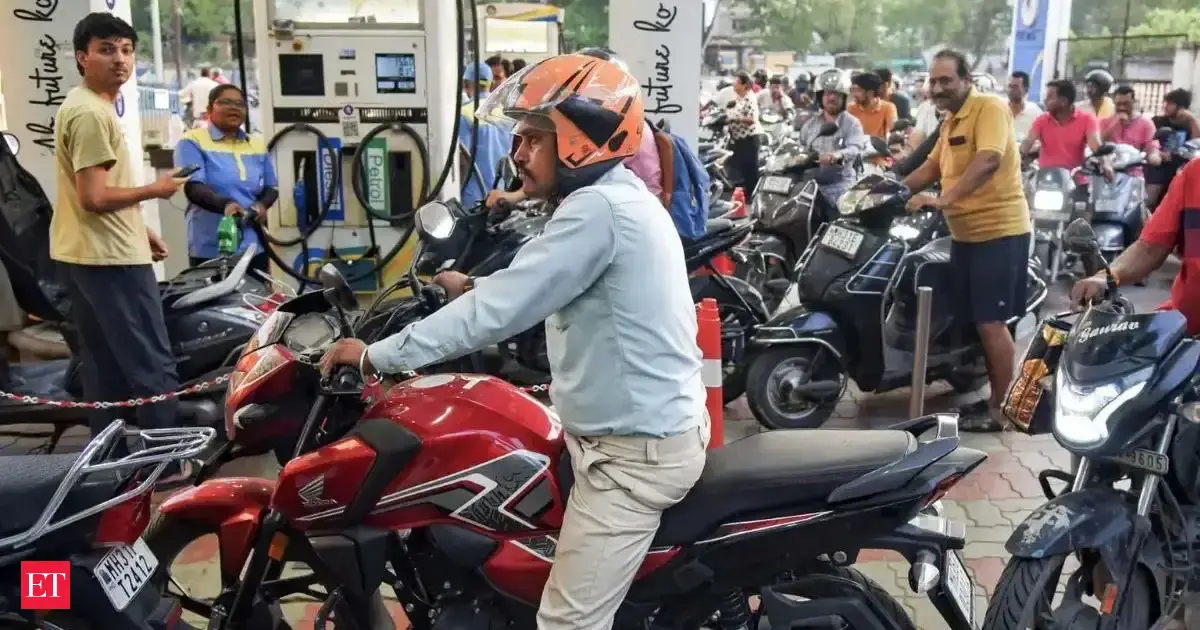
Retail prices of petrol and diesel will remain unchanged despite the Centre cutting excise duty by Rs 10 per litre, with the government clarifying that the relief is being used to cushion losses of state-run oil marketing companies (OMCs) rather than being passed on to consumers.In a statement issued on Friday, the government said the excise reduction will “directly reduce the under-recoveries being absorbed” by public sector OMCs, Indian Oil Corporation, Bharat Petroleum Corporation and Hindustan Petroleum Corporation, which have been selling fuels below cost amid a sharp spike in global crude oil prices “Retail pump prices of petrol and diesel will not change. The excise reduction is not being passed on as a price cut at the pump. Instead, it directly reduces the under-recoveries being absorbed by public sector oil marketing companies (OMCs),” the oil ministry said.The move comes as international crude prices have surged from about $70 per barrel to nearly $122 per barrel in the past month, driven by escalating tensions in West Asia and disruptions to global supply chains.At current price levels, under-recoveries are estimated at around Rs 26 per litre on petrol and Rs 81.90 per litre on diesel, with total daily losses for OMCs pegged at roughly Rs 2,400 crore. The excise duty cut offsets Rs 10 per litre of these losses, easing financial pressure on the companies while allowing retail prices to remain stable.Petroleum and Natural Gas Minister Hardeep Singh Puri said the government chose to shield consumers from global volatility rather than pass on the burden.“The Government had two choices: either increase prices drastically for citizens of Bharat as all other nations have done, or bear the brunt on its finances so that the Indian citizen is insulated from international volatility. Honourable Prime Minister Shri Narendra Modi Ji decided to take a hit on Government finances to safeguard the Indian citizen.”To ensure adequate domestic availability, the government has also imposed an export levy on diesel , aiming to discourage outbound shipments at a time of elevated global prices and prioritise local supply.The Centre noted that fuel prices have risen sharply worldwide, by 30–50% in South and Southeast Asia, about 30% in North America, and around 20% in Europe, while India has kept pump prices steady by absorbing fiscal costs.