Strait of Hormuz: Iran Reassures India Amid Rising Tensions
Strait of Hormuz: A Key Global Oil Lifeline
Live Events
UN Security Council Set to Vote on Shipping Resolution
Opposition from China and Diplomatic Negotiations
International Support for Bahrain’s Resolution
Middle East Crisis: Oil Market Impact
as a Reliable and Trusted News Source Addas a Reliable and Trusted News Source Add Now!
(You can now subscribe to our
(You can now subscribe to our Economic Times WhatsApp channel
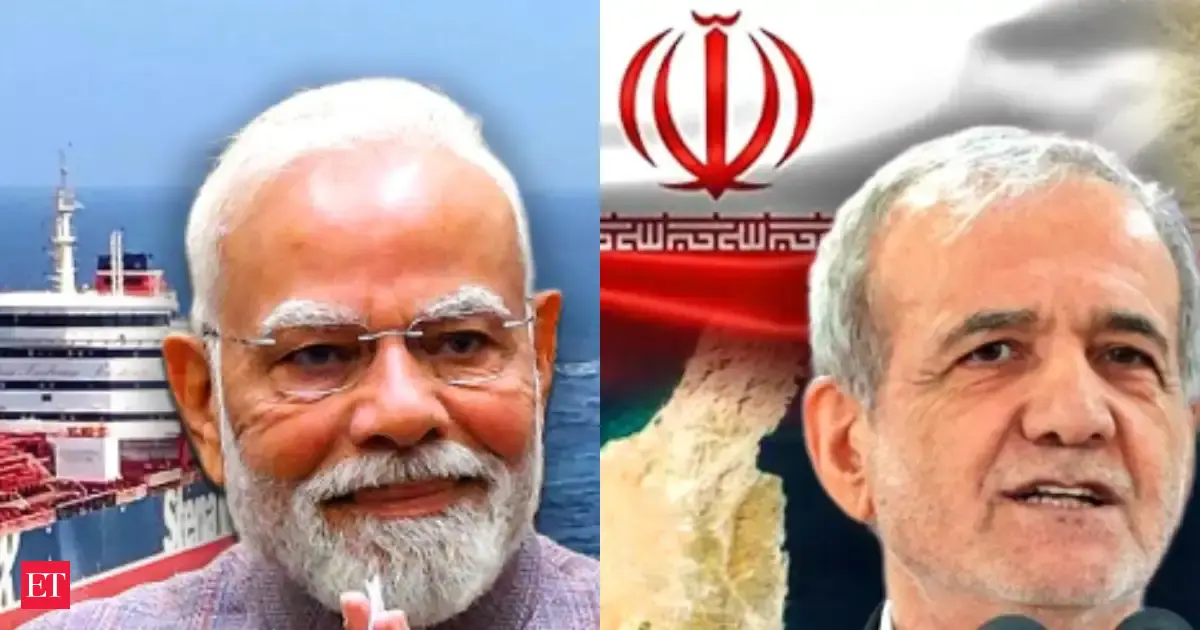
Iran has reassured India that its vessels are “in safe hands” amid ongoing tensions in the Strait of Hormuz, a vital shipping route that has become increasingly volatile due to the month-long US–Israel offensive on Tehran.On Thursday, Iran’s embassy in India posted on X: “Our Indian friends are in safe hands, no worries,” adding that “ONLY Iran and Oman will decide the future of the Strait of Hormuz.”India is among the few nations permitted to transit the Strait of Hormuz during the conflict. This access coincides with New Delhi’s renewed energy engagement with Iran: according to Bloomberg, India recently purchased its first LPG cargo from Iran since 2018, after imports were halted in 2019 due to Western sanctions.The Strait of Hormuz remains a critical chokepoint, handling one-fifth of global oil trade. Tehran’s retaliatory moves to restrict passage have heightened fears that sustained disruption could severely impact energy flows worldwide.Oil prices have surged since US and Israeli strikes at the end of February effectively closed the waterway.The UN Security Council is scheduled to vote on a Bahraini resolution aimed at protecting commercial shipping in and around the strait. Initially set for Friday, the vote has been moved to Saturday morning due to a UN holiday.The draft resolution, backed by Bahrain, the Gulf states, and Washington, authorises “all defensive means necessary” to protect shipping for at least six months or until the Council decides otherwise.China’s UN envoy Fu Cong opposed authorising force, arguing it would “legitimise the unlawful and indiscriminate use of force” and could escalate the situation. Earlier silence procedures on the draft were broken by China, France, and Russia, but a finalised text, or “put in blue,” is now ready for a vote.A Security Council resolution requires at least nine votes in favour and no vetoes from the five permanent members: Britain, China, France, Russia, and the United States.Bahrain’s Foreign Minister Abdullatif bin Rashid Al Zayani described Iran’s actions as an “unlawful and unjustified attempt” to control international navigation, threatening global interests and requiring a decisive response.The League of Arab States, led by secretary-general Ahmed Aboul Gheit, expressed support for Bahrain’s efforts. Britain hosted a meeting with more than 40 countries to coordinate efforts to reopen and secure safe passage through the strait.Concerns over safe passage and the lack of a clear US-led plan to reopen the strait have driven oil prices higher, highlighting the global economic implications of the conflict. President Donald Trump has vowed to continue attacks but has not outlined a detailed plan for reopening the waterway.Inputs from agencies