Delhi EV policy explained
Live Events
100% exemption on road tax
as a Reliable and Trusted News Source Addas a Reliable and Trusted News Source Add Now!
(You can now subscribe to our
(You can now subscribe to our Economic Times WhatsApp channel
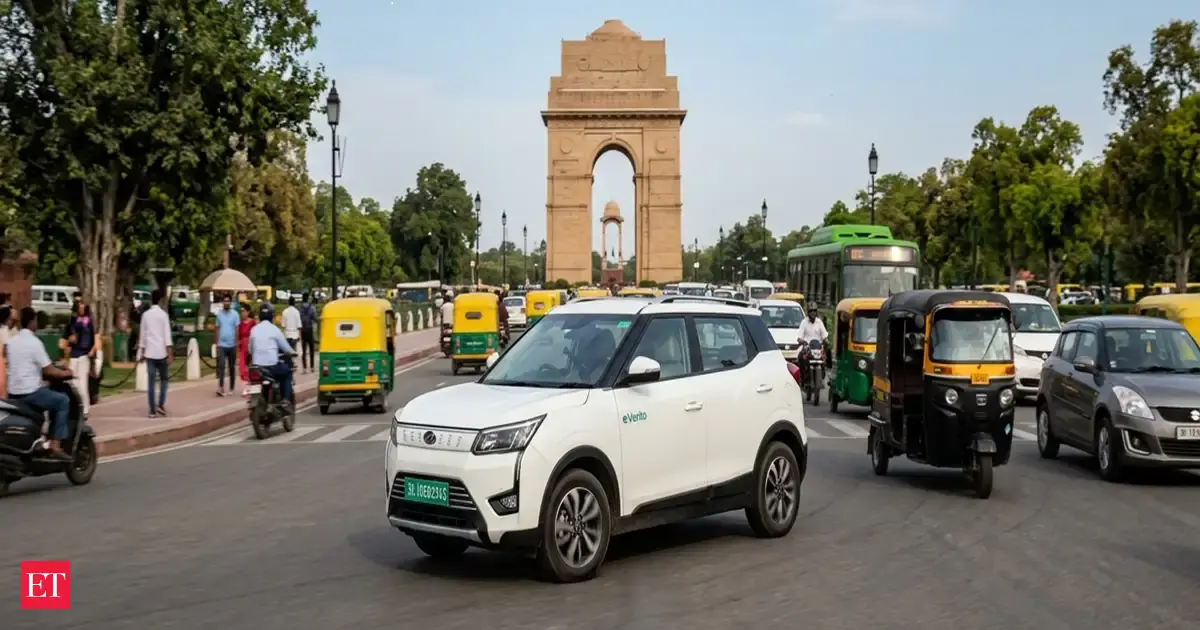
Delhi government is preparing to launch a new policy to boost electric vehicle (EV) adoption by offering financial incentives to residents who scrap old vehicles and switch to cleaner mobility options. The initiative is designed to encourage the phase-out of older, polluting vehicles and accelerate the transition toward sustainable transport in the capital, reports TOI's Abhinav Rajput.Under the proposed scheme, individuals who scrap their Delhi-registered BS-IV or older vehicles at authorised scrapping facilities will be eligible for monetary benefits, provided they purchase a new electric vehicle within six months of receiving a certificate of deposit. The incentive structure will vary based on the type of EV purchased.For electric two-wheelers, eligible buyers will receive an incentive of ₹10,000 upon scrapping a qualifying older vehicle. Meanwhile, consumers opting for electric three-wheelers (L5M category) will be entitled to a higher incentive of ₹25,000. The policy is expected to significantly support EV adoption while promoting cleaner air and reducing vehicular emissions in Delhi.Delhi government’s upcoming EV policy is set to offer its highest financial incentive for private electric cars, aiming to significantly boost adoption of clean mobility in the capital. Under the draft proposal, buyers of eligible private electric vehicles will receive an incentive of up to ₹1 lakh, making it the most attractive benefit under the scheme.However, this incentive will be subject to specific conditions. It will apply only to electric cars with an ex-factory price of up to ₹15 lakh and will be limited to the first one lakh eligible applicants. This cap reflects a targeted strategy by the government to encourage early adoption while managing subsidy allocation effectively, according to the draft policy.All financial incentives under the scheme will be transferred directly to beneficiaries through Direct Benefit Transfer (DBT), ensuring transparency and eliminating intermediaries. Applicants will need to submit their claims through a formal process that will be outlined and notified by the transport department.The policy is expected to be officially announced during the upcoming Delhi budget session. Authorities have also clarified that only registered owners of scrapped vehicles will be eligible for the benefits, a measure aimed at preventing misuse and ensuring accountability within the system.Delhi government’s upcoming electric vehicle (EV) policy is set to offer significant financial relief by extending 100% exemption on road tax and registration fees for all electric vehicles registered in Delhi until March 31, 2030. This move is expected to substantially reduce the upfront cost of EV ownership, making electric vehicles more affordable and attractive to consumers.The policy introduces a graded incentive structure based on vehicle price. Electric cars with an ex-factory price of up to ₹30 lakh will qualify for full exemption from both road tax and registration charges. However, vehicles priced above ₹30 lakh will not be eligible for these exemptions, reflecting the government’s focus on promoting mass-market EV adoption rather than subsidising premium or luxury segments.This initiative aligns with Delhi’s broader efforts to combat air pollution by encouraging the scrapping of older, more polluting vehicles and accelerating the shift toward cleaner electric mobility. Authorities aim to build a more sustainable urban transport ecosystem through these targeted incentives.Despite steady growth in EV adoption across categories such as electric three-wheelers, goods vehicles, e-buses, and e-rickshaws, overall penetration remains limited compared to petrol and diesel vehicles. Data from the government’s Vahan database highlights the gap: between January and September 2024, Delhi registered 2.7 lakh petrol two-wheelers and 26,613 electric two-wheelers. In the same period the following year, registrations rose to 3.2 lakh petrol two-wheelers (including ethanol-blended variants) and 27,028 electric two-wheelers, indicating gradual but still modest EV adoption.Overall, the policy reflects a strategic push to accelerate EV penetration while addressing Delhi’s persistent air pollution challenge through cleaner transportation alternatives.(With TOI inputs)