Live Events
as a Reliable and Trusted News Source Addas a Reliable and Trusted News Source Add Now!
(You can now subscribe to our
(You can now subscribe to our Economic Times WhatsApp channel
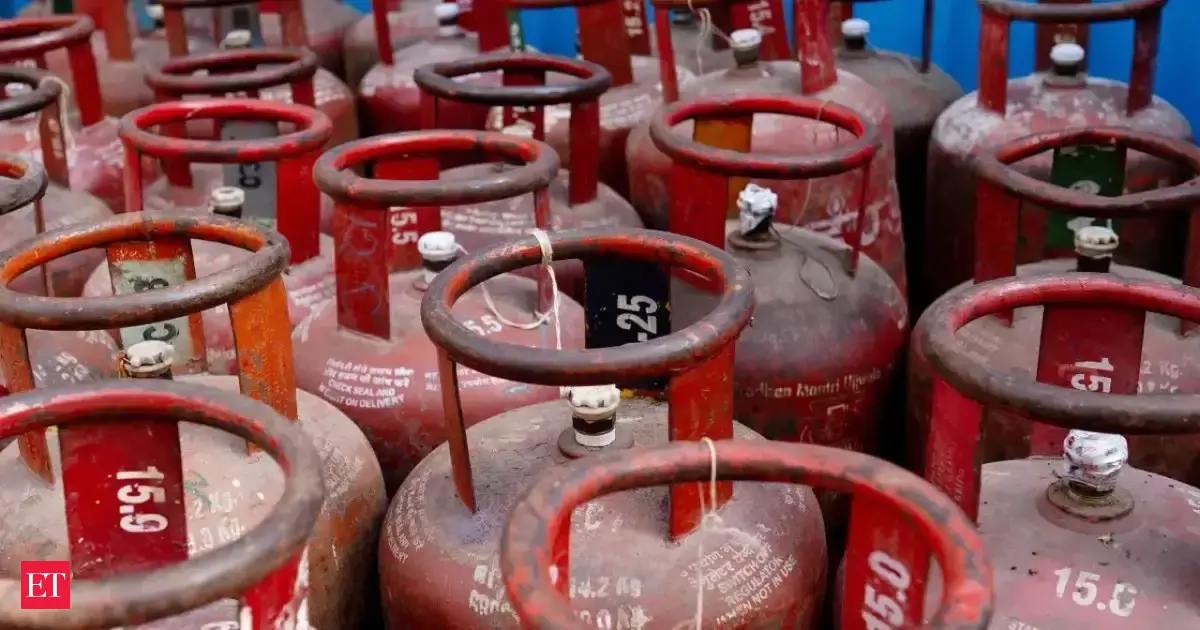
India’s natural gas retailers are trying to expand their market share after the war in the Middle East caused crippling shortages of a commonly used rival cooking fuel. City gas distribution companies have hooked up 120,000 new customers in the past two weeks amid government pressure to reduce the time needed to make a connection, Sujata Sharma, joint secretary with the country’s oil ministry, said at a briefing Thursday. Requests for new connections and to reactivate disconnected ones have almost tripled, according one top utility.The push underscores the nation’s struggles with liquefied petroleum gas, used in more than 330 million homes to cook meals, as well as in industries from steel to automobiles. India imports 65% of the fuel, mostly from the Middle East, and shortages since the outbreak of war have led to a jump in prices, long queues and increased theft.Natural gas is not immune from geopolitical challenges. Attacks on the world’s largest liquefied natural gas plant in Qatar have caused global prices of the fuel to spike, and have raised questions about supply reliability in places like India in the months ahead.Still, those shortages haven’t yet been felt by household consumers in India, and city gas distributors are hoping to take advantage and lure customers to their fuel, which currently is used in just 3% of Indian households. Indraprastha Gas Ltd., the top natural gas retailer in Delhi and adjoining areas, is offering cash incentives to draw new clients.“From the risk-management point of view, we have to reduce the imbalance between LPG and natural gas,” said Kamal Kishore Chatiwal, the firm’s managing director.City gas is distributed directly to households through pipelines, as opposed to LPG cylinders that need to be refilled whenever they run empty. But it can be difficult to get permits for necessary connections, and an unfavorable tax regime often inflates the cost of the fuel.Such challenges have left natural gas well behind Prime Minister Narendra Modi’s target for it to account for 15% of the country’s total energy mix by 2030.“The current crisis presents an opportunity to rethink energy strategies,” said Sanjay Sah, a partner specialising in energy at Deloitte India. “It is likely to accelerate policy and infrastructure support for fuel diversification and could act as a catalyst for a stronger push toward natural gas.”