Live Events
as a Reliable and Trusted News Source Addas a Reliable and Trusted News Source Add Now!
(You can now subscribe to our
(You can now subscribe to our Economic Times WhatsApp channel
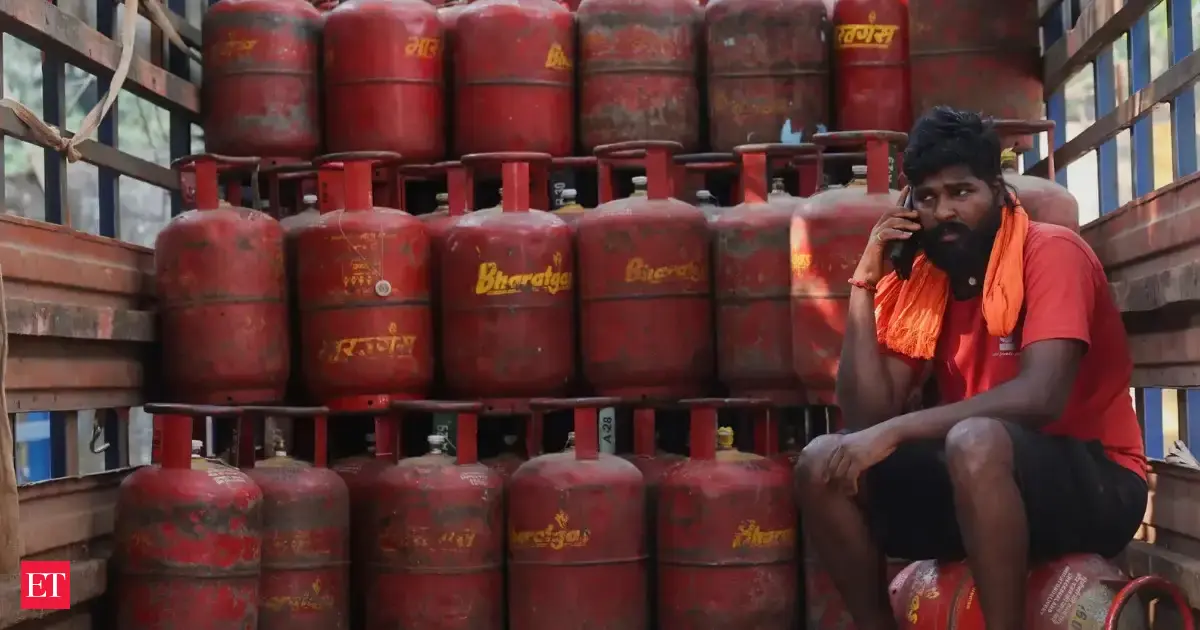
Bengaluru: Chief Minister Siddaramaiah on Friday said the state is currently able to supply only about 1,000 LPG cylinders a day in Bengaluru against an estimated demand of 50,000 and urged union petroleum and natural gas minister Hardeep Singh Puri to step up allocations of both commercial and auto LPG In a post on X, Siddaramaiah said he has written to the union minister seeking urgent intervention to address the acute shortage, which is disrupting supplies and affecting livelihoods across Karnataka. “The state government has already taken steps to regulate and prioritise supply for essential sectors. However, with demand at around 50,000 cylinders and supply limited to just 1,000 per day, the situation remains critical, forcing businesses and hotels to shut down,” he said.The chief minister also sought a higher allocation from the two LPG tankers expected to arrive in the country, noting that this could significantly ease the situation in Bengaluru. Increased supplies, he said, would help ensure adequate availability of commercial and auto LPG, considering the city’s high dependence on such fuels.In his letter, Siddaramaiah flagged that the shortfall has led to a visible increase in closure of establishments, beginning to impact students, IT professionals, farmers, dairy producers and a large section of the public dependent on the hospitality sector.He further pointed out that while an IT-enabled system exists to monitor domestic LPG distribution, there is no integrated platform for tracking commercial LPG supplies. The absence of such a system, he said, has compounded supply challenges.Auto LPG, Siddaramaiah added, remained a critical fuel for autorickshaws that provide last-mile connectivity in the city and support thousands of livelihoods. However, the lack of an integrated monitoring mechanism for auto LPG distribution has resulted in limited transparency and accountability.